LL Textur: A Vintage Blackletter Font for Timeless Design
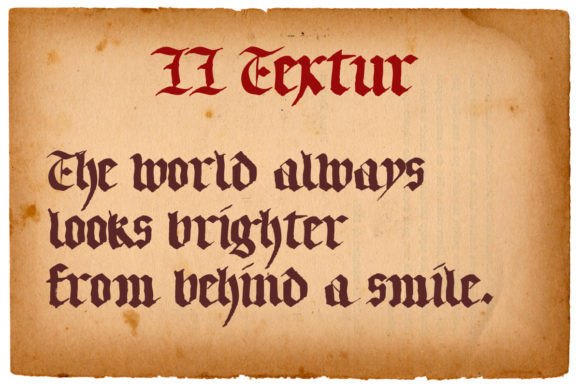
For designers seeking a font that exudes authenticity and historical charm, LL Textur offers a compelling option. This Blackletter styled font is ideal for projects that require a classical or vintage aesthetic. Its unique characteristics make it suitable for display purposes, branding, or any design where a touch of old-world elegance is desired.
Understanding LL Textur
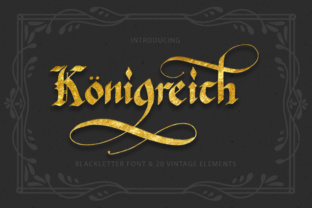
LL Textur is a digital typeface designed to emulate the appearance of traditional Blackletter script. Blackletter fonts are known for their intricate details, sharp angles, and ornate flourishes, often associated with medieval manuscripts and early printing. LL Textur captures this essence, offering a visually rich font that can add depth and character to any project.
The font features a strong, structured layout with a consistent weight throughout its characters. It includes both uppercase and lowercase letters, along with ligatures and alternate forms that enhance its stylistic versatility. These elements allow for greater customization and visual interest in typographic compositions.
Why Consider LL Textur?
Designers may choose LL Textur for several reasons. First, its vintage appeal makes it an excellent choice for projects that aim to evoke a sense of history or tradition. This could include book covers, logos for artisanal businesses, or promotional materials for events with a historical theme.
Another advantage of LL Textur is its readability in larger sizes. While it may not be the best choice for body text, it excels in headings, titles, and other prominent typographic elements. Its distinct style can draw attention and create a memorable visual impact.
Additionally, LL Textur provides a level of uniqueness that many standard fonts lack. In a world dominated by modern sans-serif and serif typefaces, using a Blackletter font like LL Textur can set a design apart and add a layer of sophistication.
Benefits and Tradeoffs
One of the main benefits of LL Textur is its ability to convey a specific mood or atmosphere. The font’s historical roots can help communicate themes of craftsmanship, heritage, or artistic expression. This makes it particularly useful for brands or projects that want to emphasize these qualities.
However, there are tradeoffs to consider. LL Textur may not be as versatile as more neutral typefaces. Its stylized nature can limit its effectiveness in certain contexts, such as digital interfaces or long-form content where clarity and legibility are paramount. Designers should also be aware of licensing restrictions, as some fonts may have limitations on commercial use.
Another consideration is the font’s availability. Unlike widely used typefaces, LL Textur may not be included in all design software or foundries. This could require additional steps to access and integrate into a workflow.
Situations Where LL Textur Fits Well
LL Textur is well-suited for projects that benefit from a strong visual identity. For example, it can be used in branding for boutique shops, artisanal products, or cultural events that seek to highlight traditional values. Its appearance can also enhance the look of posters, invitations, or signage that requires a distinctive, handcrafted feel.
Additionally, the font works well in editorial design, such as magazine layouts or book covers that aim to capture a historical or literary tone. It can also be effective in advertising campaigns that target audiences looking for authenticity and quality.
When Alternatives May Be Better
In some cases, alternatives to LL Textur may be more appropriate. For instance, if a project requires a clean, modern look, a sans-serif or minimalist font might be a better fit. Similarly, if the primary goal is readability across various mediums, a more neutral typeface could offer greater flexibility.
Designers should also consider the audience when choosing a font. If the target demographic is younger or more tech-savvy, a contemporary font may resonate more effectively than a vintage-style one. In such scenarios, alternatives that balance style with functionality may be preferable.
Practical Decision-Making Insights
When evaluating LL Textur, designers should ask themselves whether the font aligns with the overall vision of their project. Does it support the message or theme they want to convey? Is it appropriate for the intended medium and audience?
It’s also important to test the font in different contexts. Experimenting with various sizes, colors, and backgrounds can help determine how well it performs in real-world applications. This process can reveal strengths and limitations that may not be apparent at first glance.
Finally, considering the technical aspects of the font is essential. Ensuring compatibility with design software and understanding licensing terms can prevent potential issues down the line. Taking these steps can help maximize the effectiveness of LL Textur in a given project.