Wildcats: A Vintage Calligraphy Font for Timeless Design
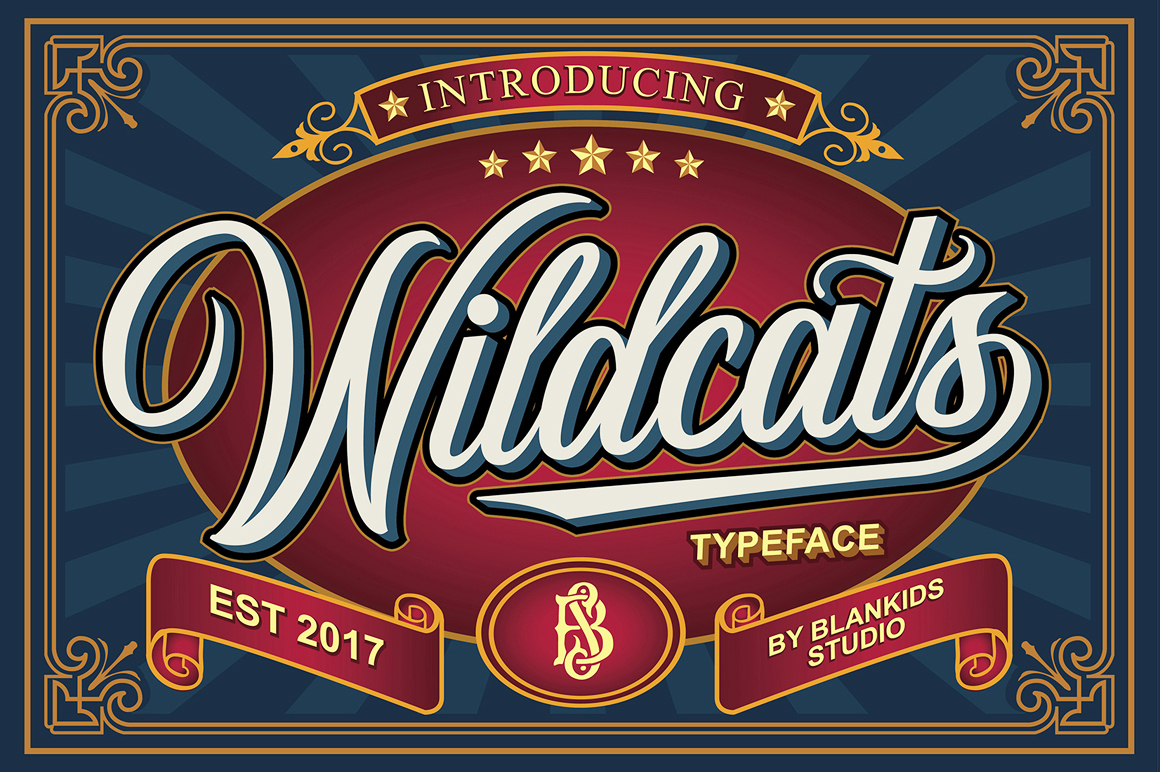
The Wildcats font is a vintage and seductive calligraphy typeface that draws inspiration from historical labels, signage, and packaging. Its elegant, flowing script evokes a sense of nostalgia while maintaining a modern appeal. Designed for versatility, Wildcats can be used across various design projects, from branding to editorial work, adding a touch of sophistication and character.
For designers seeking a font that blends old-world charm with contemporary usability, Wildcats offers a compelling option. Its unique aesthetic makes it particularly well-suited for projects that aim to convey a sense of history, luxury, or artisanal quality. However, like any typeface, it comes with its own set of considerations that may influence its suitability for different applications.
What Makes Wildcats Unique?
Wildcats stands out due to its distinct calligraphic style, which mimics the fluidity of hand-drawn lettering. The font features subtle variations in stroke weight and flourishes that give it a natural, organic feel. These characteristics make it ideal for designs that require a personal, handwritten touch without the need for actual handwriting.
The font’s inspiration from vintage labels and signage means it often appears in retro-themed projects. This includes logos for boutique businesses, packaging for artisanal products, or promotional materials for events with a nostalgic theme. Its ability to evoke a sense of timelessness makes it a popular choice among designers looking to create visual narratives rooted in the past.
Why Someone Might Be Interested in Wildcats
Designers and creatives may find Wildcats appealing for several reasons. First, its vintage aesthetic can add authenticity to projects that aim to replicate historical styles. Second, the font’s elegance and charm can elevate the visual appeal of any design, making it suitable for high-end branding or artistic expression.
Additionally, Wildcats is versatile enough to work in a variety of contexts. It can be used in both digital and print formats, and its legibility at smaller sizes makes it practical for body text in certain applications. For those who want to incorporate a touch of sophistication into their work, Wildcats offers a reliable and stylish solution.
Benefits of Using Wildcats
One of the primary benefits of Wildcats is its ability to convey a sense of heritage and craftsmanship. This makes it an excellent choice for brands that want to communicate a story or identity rooted in tradition. Its unique style also helps designs stand out in a crowded market, offering a distinctive alternative to more common typefaces.
Another advantage is its adaptability. While it excels in vintage or retro settings, it can also be used in more modern contexts when paired appropriately. For example, combining it with clean, sans-serif fonts can create a balanced contrast that highlights its ornate details without overwhelming the design.
Considerations and Tradeoffs
Despite its strengths, Wildcats may not be the best choice for every project. Its ornate style can sometimes be too decorative for minimalist or modern designs, where simplicity is key. In such cases, a more straightforward font might be more effective in conveying clarity and professionalism.
Additionally, the font’s complexity may affect readability, especially at smaller sizes or in long paragraphs. While it works well as a headline or title font, it may not be ideal for extended blocks of text. Designers should also consider the context in which it will be used, as some platforms or devices may not render it as consistently as more standard typefaces.
Situations Where Wildcats Is a Strong Fit
Wildcats is particularly well-suited for projects that benefit from a vintage or artisanal feel. This includes branding for cafes, boutiques, or small businesses that want to emphasize their heritage or craftsmanship. It also works well for packaging design, especially for products that target consumers interested in retro aesthetics or handmade goods.
In editorial design, Wildcats can be used to create visually engaging layouts for magazines, brochures, or book covers that aim to evoke a sense of nostalgia. Its expressive nature makes it ideal for headlines, captions, or other elements that require a strong visual presence.
Situations Where Alternatives May Be Better
For projects that prioritize minimalism or clarity, alternatives to Wildcats may be more appropriate. Fonts with simpler structures, such as sans-serif or slab-serif typefaces, often provide better readability and a cleaner look. These options are typically preferred in corporate branding, technical documents, or user interfaces where functionality is paramount.
Additionally, if the goal is to create a modern, sleek design, a more contemporary font may align better with the intended aesthetic. Designers should evaluate the overall tone and purpose of their project before deciding on a typeface, ensuring that it supports the message they want to convey.
Practical Decision-Making Insights
When considering whether to use Wildcats, it’s important to assess the specific needs of the project. Start by defining the desired tone and audience. If the goal is to evoke nostalgia or create a unique visual identity, Wildcats can be an excellent choice. However, if the focus is on clarity, simplicity, or broad accessibility, other fonts may be more suitable.
Testing the font in different contexts is also recommended. Previewing it in various sizes, backgrounds, and layouts can help determine its effectiveness and identify any potential issues. Additionally, consulting with other designers or stakeholders can provide valuable feedback and ensure the font aligns with the overall vision.
Ultimately, the decision to use Wildcats should be based on how well it meets the goals of the project and resonates with the intended audience. By carefully evaluating its strengths and limitations, designers can make informed choices that enhance the quality and impact of their work.