March Calligraphy: The Perfect Font for Springtime Designs
As March arrives, it brings with it the promise of spring—fresh beginnings, blooming flowers, and a renewed sense of energy. For designers, this is the perfect time to embrace March Calligraphy, a decorative font that captures the essence of renewal and elegance. Whether you're creating wedding invitations, event banners, or floral-themed marketing materials, March Calligraphy offers a unique blend of style and sophistication that can elevate any project.
This font isn’t just about aesthetics; it’s also about intention. Choosing the right typeface can influence how your message is received, and March Calligraphy is designed to reflect the vibrancy and grace of spring. However, like any design tool, it comes with its own set of considerations. Understanding these nuances can help you make better decisions and avoid common pitfalls.
What Is March Calligraphy?
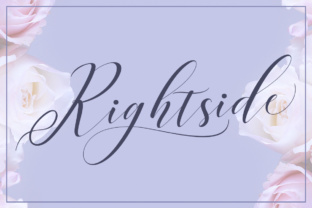
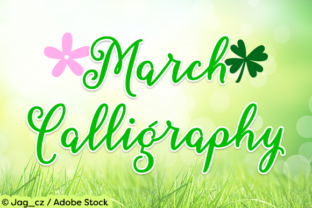
March Calligraphy is a stylized font that mimics the fluidity and artistry of hand-drawn calligraphy. It features elegant flourishes, soft curves, and a natural flow that makes it ideal for designs emphasizing freshness, growth, and beauty. Unlike standard fonts, which are often rigid and uniform, March Calligraphy adds a personal, artistic touch that can make your work stand out.
Its versatility makes it a popular choice for a wide range of applications, from digital graphics to print media. Whether you’re designing a logo, a greeting card, or a social media post, March Calligraphy can add a touch of refinement that feels both modern and timeless.
Common Mistakes When Using March Calligraphy
While March Calligraphy is visually appealing, it’s not always the best choice for every project. One common mistake is using it in situations where clarity and readability are essential. This font is more suited for decorative or artistic purposes rather than body text or long paragraphs.
Another oversight is not considering the context of the design. For example, using March Calligraphy on a business website might come off as unprofessional if the rest of the design is too casual. It’s important to ensure that the font complements the overall tone and purpose of your work.
Some users also fail to check the licensing terms before downloading or purchasing March Calligraphy. Not all fonts are free for commercial use, and using a restricted font without proper authorization can lead to legal issues or costly fines.
How These Mistakes Affect Your Work
Using March Calligraphy inappropriately can affect the effectiveness of your design. If the font is too ornate for the intended audience, it may distract from the message rather than enhance it. This can reduce the impact of your communication and lead to lower engagement or confusion among viewers.
Additionally, ignoring licensing rules can result in unexpected costs. Many designers assume that a font is free to use unless stated otherwise, but this isn’t always the case. Downloading or using a font without proper permissions can lead to copyright violations, which can be damaging to your reputation and finances.
Finally, poor planning can lead to inefficiency. If you choose March Calligraphy without considering how it will look in different sizes or formats, you may end up spending extra time adjusting the design or compromising the quality of your final output.
Practical Advice for Better Results
To get the most out of March Calligraphy, start by understanding its strengths and limitations. Use it for projects that benefit from a creative, artistic flair, such as wedding invitations, seasonal greetings, or promotional materials for events related to spring or nature.
Before downloading or purchasing, always review the license agreement. Look for information about commercial use, redistribution, and modification rights. If you’re unsure, consider reaching out to the font’s creator or checking reputable font marketplaces for clear terms.
Another tip is to test the font in different contexts. Try it on various devices, screen sizes, and print formats to see how it performs. This can help you identify any potential issues before finalizing your design.
What to Check Before Using March Calligraphy
When evaluating March Calligraphy, ask yourself a few key questions. Is the font suitable for the intended use? Does it align with the overall design aesthetic? Are there any restrictions on how it can be used?
Also, consider the availability of the font. Some versions may only be available in specific formats, such as OTF or TTF, which could affect compatibility with certain software. Make sure the font works with your design tools and platforms.
Finally, think about the user experience. Will the font enhance the message or detract from it? If the goal is to communicate clearly, then a simpler, more readable font may be a better choice. But if the goal is to create a visually striking piece, March Calligraphy can be an excellent option.
Realistic Examples and Better Approaches
For instance, a small business owner planning a spring-themed marketing campaign might use March Calligraphy for a banner headline to draw attention and convey a sense of renewal. However, they should pair it with a clean, sans-serif font for the body text to maintain readability.
On the other hand, a designer working on a corporate website might avoid March Calligraphy altogether, opting instead for a more professional typeface that aligns with the brand’s image. In this case, the font would be better suited for a separate, more artistic project, such as a seasonal brochure or social media graphic.
By making informed choices, you can ensure that March Calligraphy enhances your work rather than hinders it. With careful planning and attention to detail, this font can become a valuable asset in your design toolkit.