Savaro: A Timeless Caps Font for Modern Design
In the world of typography, certain fonts stand out not just for their visual appeal but for their ability to evoke a sense of history and elegance. Savaro is one such font. With its striking caps style, it offers a unique blend of retro charm and modern sophistication. Whether you're working on a design project, branding initiative, or simply looking to add a touch of class to your text, Savaro can be a powerful tool in your typographic arsenal.
At first glance, Savaro might seem like a straightforward caps font, but its design is anything but simple. Each letter is meticulously crafted to maintain a balance between sharpness and fluidity, making it ideal for both digital and print media. The font’s distinct characteristics allow it to shine in a variety of contexts, from headlines and logos to titles and signage.
The Artistry Behind Savaro
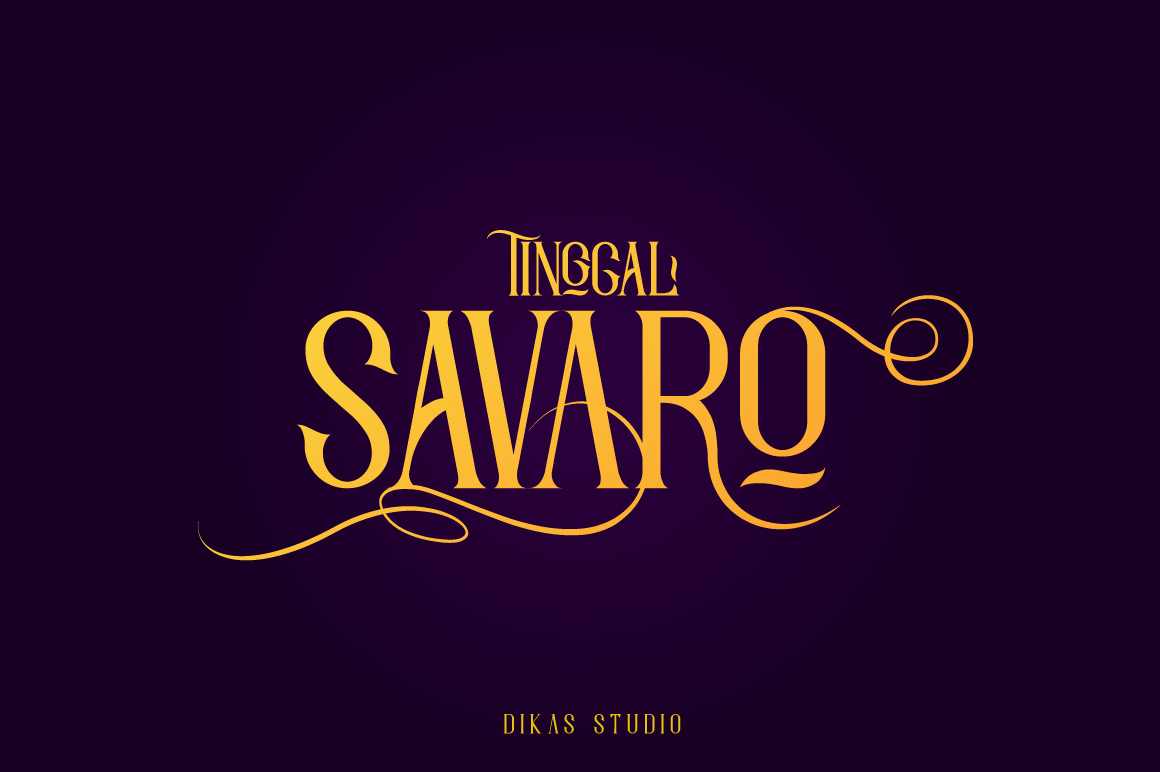
Savaro’s design draws inspiration from vintage typography while maintaining a contemporary edge. Its uppercase letters are often more ornate than those found in standard sans-serif or serif fonts, with subtle flourishes and variations that give each character a sense of individuality. This attention to detail makes Savaro particularly well-suited for projects that require a sense of nostalgia or refinement.
One of the most notable aspects of Savaro is its versatility. It comes in multiple style sets, allowing users to choose the version that best fits their needs. Some variations emphasize a more classic look, while others lean into a more stylized or dramatic aesthetic. This flexibility ensures that Savaro can be adapted to a wide range of design scenarios without losing its core identity.
Practical Applications of Savaro
Designers often turn to Savaro when they want to create a strong visual impact. Its bold and distinctive appearance makes it an excellent choice for headings, especially in branding and marketing materials. For instance, a company looking to establish a retro-inspired identity might use Savaro for its logo or website header to convey a sense of authenticity and timelessness.
Beyond branding, Savaro also finds a place in editorial design. Magazines, newspapers, and even book covers can benefit from its elegant yet eye-catching style. When used in conjunction with other fonts, Savaro can help create a layered and dynamic typographic hierarchy. For example, pairing it with a clean sans-serif font for body text can produce a balanced and professional look.
In the realm of digital design, Savaro can be particularly effective in UI/UX contexts. While it may not be the best choice for large blocks of text due to its decorative nature, it works wonders as a headline or call-to-action element. Its readability at smaller sizes makes it suitable for buttons, icons, and navigation menus, adding a touch of personality without overwhelming the user.
Why Choose Savaro Over Other Fonts?
While there are many caps fonts available, Savaro distinguishes itself through its unique combination of style and usability. Unlike some fonts that prioritize aesthetics over functionality, Savaro maintains a level of clarity that allows it to be used in a variety of settings. This makes it a practical choice for designers who want to make a statement without sacrificing legibility.
Another advantage of Savaro is its ability to convey different moods depending on how it’s used. A minimalist design might pair it with neutral colors and simple layouts to highlight its elegance, while a more vibrant project could use it to add energy and movement. This adaptability ensures that Savaro remains relevant across different design trends and industries.
For educators and students, Savaro can serve as an excellent example of how typography influences perception. By studying its structure and usage, learners can gain a deeper understanding of how font choices affect the overall tone and message of a design. This makes it a valuable resource for design courses and typography workshops.
Considerations When Using Savaro
Despite its many strengths, Savaro is not a one-size-fits-all solution. Its decorative elements may not be suitable for every project, especially those that require a more subdued or functional approach. Designers should consider the context in which they’re using the font and ensure that it aligns with the overall vision of the work.
Additionally, it’s important to note that Savaro is primarily a caps font, meaning it doesn’t include lowercase letters. This limitation means that it’s best suited for projects that rely heavily on uppercase text, such as headlines, titles, or short phrases. If a project requires full sentences or paragraphs, it may be necessary to combine Savaro with another font that includes lowercase characters.
Finally, when selecting a font like Savaro, it’s essential to consider licensing and availability. Depending on the platform or software being used, access to the font may vary. Designers should verify that they have the appropriate rights to use Savaro in both personal and commercial projects to avoid any legal complications.
Embracing the Retro Edge
As design trends continue to evolve, the demand for fonts that evoke a sense of history and craftsmanship is on the rise. Savaro taps into this trend by offering a modern interpretation of classic typography. Its retro edge makes it a favorite among designers who want to infuse their work with a touch of nostalgia without resorting to outdated styles.
Whether used in a high-end fashion campaign, a vintage-themed website, or a creative portfolio, Savaro has the power to elevate the visual appeal of any project. Its ability to bridge the gap between past and present makes it a valuable asset for anyone looking to create something truly distinctive.
Ultimately, Savaro is more than just a font—it’s a design statement. By choosing Savaro, users are not only selecting a typeface but also embracing a philosophy of creativity and expression. In a world where typography plays a crucial role in communication, Savaro stands out as a font that knows how to make an impression.