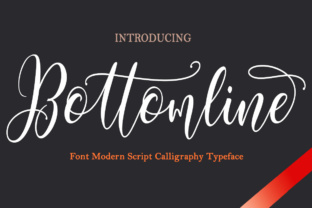
Bottomline: A Versatile and Elegant Calligraphy Font for Designers
Bottomline is a calligraphy font that stands out for its refined elegance and adaptability. Designed with precision, it offers a unique blend of traditional artistry and modern usability. For designers seeking a font that can elevate their work without overpowering it, Bottomline presents a compelling option. Its balanced structure and expressive strokes make it suitable for a wide range of design applications, from branding to editorial projects.
What Makes Bottomline Unique?
Bottomline distinguishes itself through its clean yet dynamic form. Unlike many calligraphy fonts that can feel overly ornate or inconsistent, Bottomline maintains a level of legibility that makes it practical for both digital and print use. The font’s curves are fluid but controlled, and its weight distribution ensures readability even at smaller sizes. This balance between style and functionality is what makes it particularly appealing to professionals who need reliable typography without sacrificing aesthetic appeal.
The font’s versatility extends beyond its visual characteristics. It pairs exceptionally well with other typefaces, especially those with contrasting styles. For instance, when used alongside Little Star—a sans serif, handwritten font—Bottomline creates a striking visual contrast that adds depth and interest to any composition. This pairing demonstrates how Bottomline can be part of a broader typographic strategy, offering flexibility in layout and design.
Key Characteristics and Practical Value
One of the most notable features of Bottomline is its consistent stroke width. Unlike some calligraphy fonts that vary widely in thickness, Bottomline maintains a uniform appearance across all characters. This consistency is crucial for maintaining visual harmony in large blocks of text or in designs where typographic alignment is essential.
Another strength of Bottomline is its broad character set. It includes uppercase and lowercase letters, numerals, punctuation, and special symbols, making it suitable for a variety of uses. Whether you’re designing a logo, creating a website header, or developing a publication, Bottomline provides the necessary tools to support your creative vision.
From a technical standpoint, Bottomline is optimized for digital use. It supports multiple platforms and file formats, ensuring compatibility with common design software such as Adobe Illustrator, InDesign, and Photoshop. This accessibility enhances its value for designers who rely on efficient workflows and cross-platform consistency.
Real-World Applications and Performance
In practice, Bottomline performs well in both single-line and multi-line contexts. When used as a headline or title, its elegant curves draw attention while maintaining clarity. In body text, it remains readable without appearing too formal or rigid. This adaptability makes it ideal for projects that require a mix of decorative and functional typography.
For example, in a branding project, Bottomline could serve as the primary font for a company’s name or tagline, providing a sense of sophistication and individuality. When paired with a more neutral typeface, it can act as a focal point that complements the overall design without competing with it.
Additionally, Bottomline’s stylistic variations allow for customization. Some versions include alternate glyphs or ligatures, giving designers more control over the final look. These options can be particularly useful in creating unique typographic treatments that reflect a brand’s identity or a project’s theme.
Who Benefits Most from Using Bottomline?
Bottomline is particularly valuable for designers working in creative fields such as graphic design, web development, and editorial work. Its combination of elegance and usability makes it a go-to choice for those looking to add a touch of refinement to their projects. Freelancers and small business owners may find it especially useful for creating professional-looking materials without the need for expensive custom fonts.
Marketers and content creators can also benefit from using Bottomline in promotional materials, social media graphics, or blog headers. Its ability to stand out while remaining readable helps capture attention and convey a polished message. Educators and students involved in design courses may appreciate its educational value, as it offers insights into the principles of calligraphy and typography.
However, it’s important to note that Bottomline may not be the best choice for every project. In cases where a more utilitarian or highly structured font is required, it might not provide the same level of clarity or efficiency. As with any design tool, the success of Bottomline depends on how well it aligns with the specific needs of the project and the preferences of the target audience.
Considerations for Long-Term Use
When evaluating a font like Bottomline, it’s essential to consider its long-term value. Fonts that are well-designed and versatile tend to remain relevant across different design trends and technologies. Bottomline’s balanced approach ensures that it won’t become outdated quickly, making it a reliable asset for ongoing projects and future work.
Moreover, the font’s ease of use contributes to its long-term appeal. Designers who are familiar with its characteristics can integrate it seamlessly into their workflow, reducing the learning curve associated with new typefaces. This efficiency is especially important in fast-paced environments where time and resources are limited.
Finally, the availability of licensing options for Bottomline should be considered. Depending on the intended use—whether personal, commercial, or educational—the appropriate license will determine how the font can be applied. Ensuring compliance with licensing terms is an important step in maintaining professionalism and avoiding legal issues.
Conclusion
Bottomline is a calligraphy font that offers a thoughtful balance of beauty and practicality. Its refined design, consistent performance, and compatibility with other typefaces make it a valuable addition to any designer’s toolkit. Whether used as a standalone element or in combination with other fonts, it provides a means to enhance visual communication without compromising clarity or usability.
For professionals and creatives looking to add a touch of elegance to their work, Bottomline presents a compelling option. By understanding its strengths and limitations, users can make informed decisions about how best to incorporate it into their projects. Ultimately, Bottomline’s versatility and quality make it a font worth considering for a wide range of design applications.