Vitele: A Versatile and Elegant Font for Every Project
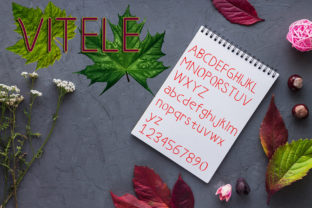
Vitele is a modern, clean sans serif font that offers both visual appeal and functional versatility. Designed with precision, it’s ideal for body text but can also serve as a bold headline when needed. Whether you're working on a website, a marketing campaign, or a printed document, Vitele provides a professional look without sacrificing readability. But like any tool, it’s important to understand how to use it effectively to avoid common pitfalls.
What Makes Vitele Stand Out?
Vitele combines simplicity with sophistication. Its balanced letterforms and consistent stroke widths make it easy on the eyes, especially for long paragraphs. The font maintains clarity at smaller sizes, which is crucial for body text. At the same time, its subtle variations in weight and style allow it to adapt to different design contexts. This flexibility makes it a go-to choice for designers who want a reliable typeface that works across multiple platforms and mediums.
One of the key reasons people choose Vitele is its clean aesthetic. It avoids the overly rigid structure of some sans serifs while still maintaining a modern feel. This makes it particularly appealing for brands that want to communicate professionalism without appearing too formal.
Common Mistakes When Using Vitele
Despite its strengths, Vitele can be misused if not approached thoughtfully. One common mistake is using it in situations where contrast is essential. For example, pairing Vitele with a very similar font—such as another sans serif with a similar weight—can result in a flat, unengaging layout. This often happens when designers try to create a “minimalist” look without considering visual hierarchy.
Another frequent error is overusing the font’s lighter weights. While Vitele’s thin variants are elegant, they can become difficult to read in low-light environments or when used in large blocks of text. This can lead to poor user experience, especially on digital screens where clarity is paramount.
Some users also overlook the importance of proper spacing and line height when using Vitele. Because of its open counters and generous x-height, it may require more leading than other fonts to maintain legibility. Neglecting this can cause text to feel cramped or hard to follow.
How to Avoid These Issues
To get the most out of Vitele, start by understanding your design goals. If you’re using it for body text, stick to medium or regular weights and ensure adequate line spacing. For headlines, consider using a bolder weight to create visual impact without overwhelming the reader.
When pairing Vitele with other fonts, look for complementary styles. A serif font like Playfair Display or a geometric sans serif like Futura can provide contrast without clashing. This helps guide the viewer’s eye through the content and adds depth to the overall design.
Testing Vitele in real-world scenarios is also crucial. Preview it on different devices and screen sizes to see how it performs. Pay attention to how it looks in both light and dark modes, as well as in print. This will help you spot issues early and make adjustments before finalizing your project.
What to Check Before Using Vitele
Before incorporating Vitele into your work, verify that it’s licensed correctly for your intended use. Some fonts have restrictions on commercial projects, and using them without proper permissions can lead to legal complications. Always review the license agreement and consult with a legal expert if needed.
Additionally, check the font’s availability. If you’re working on a team project, ensure that everyone has access to the same version of Vitele. Inconsistent font usage can lead to formatting issues and reduce the quality of your output.
Finally, consider the audience. While Vitele is versatile, it may not be suitable for all industries. For example, a highly stylized or informal font might be more appropriate for a creative agency, while a more traditional font could be better for a financial institution. Choose a typeface that aligns with your brand’s identity and the expectations of your audience.
Realistic Examples of Better Choices
Imagine you’re designing a blog post. Instead of using Vitele for every section, pair it with a slightly bolder variant for subheadings. This creates a clear visual structure and improves readability. You might also add a serif font for quotes or pull quotes to add variety and emphasis.
If you’re creating a presentation, use Vitele for the main content but switch to a more dramatic font for titles. This ensures that your message stands out without causing eye strain. Similarly, in a print brochure, use Vitele for body text and a contrasting font for headings to guide the reader through the information.
For web projects, test Vitele across different browsers and operating systems. Some fonts may render differently depending on the platform, so it’s important to ensure consistency. You can also use tools like Google Fonts or Adobe Fonts to streamline the process and ensure compatibility.
Final Thoughts on Vitele
Vitele is a powerful tool when used correctly. Its clean design and adaptability make it a great choice for a wide range of projects. However, like any font, it requires thoughtful application to achieve the best results. By avoiding common mistakes, testing thoroughly, and making informed decisions, you can maximize the effectiveness of Vitele in your work.
Whether you’re a designer, marketer, or business owner, Vitele offers a balance of style and functionality that can elevate your projects. With the right approach, it can become a trusted part of your design toolkit.