The Lolly: A Bold and Unique Font for Designers
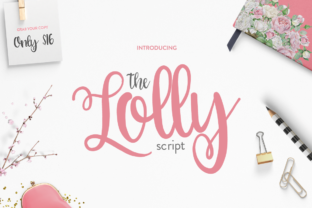
The Lolly is a thick script-based font that stands out for its distinctive visual style and versatility. With 100 unique glyphs, it offers a rich set of characters that can elevate a wide range of design projects. This font is ideal for those looking to add a touch of creativity and personality to their work without sacrificing readability or professionalism.
Designed with a thick stroke and fluid curves, The Lolly combines the elegance of traditional script fonts with the boldness of modern typography. Its structure allows it to be used in both digital and print formats, making it a flexible choice for designers working across multiple mediums.
What Makes The Lolly Distinct?
The Lolly's defining feature is its thick script style, which gives it a strong and confident appearance. Unlike more delicate script fonts, this typeface uses consistent thick strokes throughout, creating a cohesive and impactful look. The 100 unique glyphs ensure that each character has its own distinct shape, allowing for greater variation and visual interest in text compositions.
This font is particularly well-suited for branding, logos, and headline designs where a bold and memorable presence is needed. Its thick strokes make it highly legible at larger sizes, while its stylized details add a sense of sophistication and artistry. Whether used in a minimalist layout or a more intricate design, The Lolly maintains a clear and professional aesthetic.
Comparing The Lolly to Similar Fonts
When considering script-based fonts, The Lolly offers a different approach compared to many other options on the market. Traditional script fonts often have thinner strokes and more flowing lines, which can create a softer or more elegant feel. In contrast, The Lolly’s thick design makes it more suitable for applications where a stronger visual impact is desired.
Fonts like Brush Script or Pacifico, for example, are known for their cursive style and organic flow. These are excellent choices for casual or artistic projects but may not provide the same level of weight and structure as The Lolly. On the other hand, The Lolly’s thickness and consistency make it a better fit for corporate or commercial use where clarity and strength are important factors.
Another category of fonts that might be compared to The Lolly are slab serif fonts, which also feature bold and heavy strokes. However, slab serifs typically have more rigid shapes and less fluidity than script fonts. The Lolly bridges the gap between these two styles, offering the boldness of a slab serif with the dynamic movement of a script.
Best Use Cases for The Lolly
The Lolly excels in situations where a strong, eye-catching font is needed. It is particularly effective for headlines, titles, and branding elements where the font needs to command attention without overwhelming the surrounding content. Its thick strokes help it stand out in both dark and light backgrounds, making it adaptable to a variety of design contexts.
For example, in a marketing campaign, The Lolly could be used for a primary headline to draw readers in. In a logo design, it could serve as the main typeface to convey confidence and energy. It is also useful in editorial layouts, such as magazine covers or book titles, where a visually striking font can enhance the overall design.
However, due to its thick and stylized nature, The Lolly may not be the best choice for long blocks of body text. Its complexity can reduce readability when used in smaller sizes or dense paragraphs. For these cases, a simpler sans-serif or serif font would be more appropriate.
Strengths and Tradeoffs of The Lolly
The primary strength of The Lolly lies in its ability to add visual interest and personality to a design. Its thick script style provides a sense of weight and authority, making it ideal for projects that require a strong typographic presence. The 100 unique glyphs also allow for greater flexibility in customizing text, giving designers more creative control over how the font is used.
One tradeoff to consider is its limited suitability for certain types of content. As mentioned earlier, The Lolly is not designed for extended reading, so it should be used sparingly in text-heavy designs. Additionally, because of its stylized features, it may not be as versatile as more neutral fonts in terms of pairing with other typefaces.
Another consideration is the availability of variations. While The Lolly offers a comprehensive set of glyphs, it may not include all the stylistic alternatives found in some other fonts. Designers who need specific alternates or ligatures may find that The Lolly lacks the same level of customization as other options.
When to Choose The Lolly
The Lolly is an excellent choice when the goal is to create a bold and memorable visual identity. It works well for brands that want to project energy, creativity, or confidence. If a designer is looking for a font that can make a statement without being overly complex, The Lolly is a solid option.
It is also a good fit for projects that require a mix of elegance and strength. For instance, in a luxury brand’s packaging or a high-end product launch, The Lolly can add a touch of sophistication while maintaining a strong presence. Its thick strokes and unique glyphs make it stand out in a way that many other fonts cannot.
However, if the focus is on clarity, neutrality, or adaptability, there may be better alternatives available. For example, a clean sans-serif font like Helvetica or Arial might be more appropriate for a business website or a formal document. Similarly, a more traditional script font could be better suited for a wedding invitation or a handwritten-style design.
Conclusion: Is The Lolly Right for You?
The Lolly is a powerful and distinctive font that can enhance a wide range of design projects. Its thick script style, combined with 100 unique glyphs, makes it a versatile tool for designers looking to add visual impact and creativity to their work. However, its strengths come with certain limitations, particularly in terms of readability and adaptability.
Ultimately, the decision to use The Lolly depends on the specific needs of the project. If the goal is to create a bold and memorable design, this font can be an excellent choice. For more straightforward or text-heavy applications, other fonts may be more suitable. By understanding the strengths and tradeoffs of The Lolly, designers can make informed decisions about when and how to use it effectively.