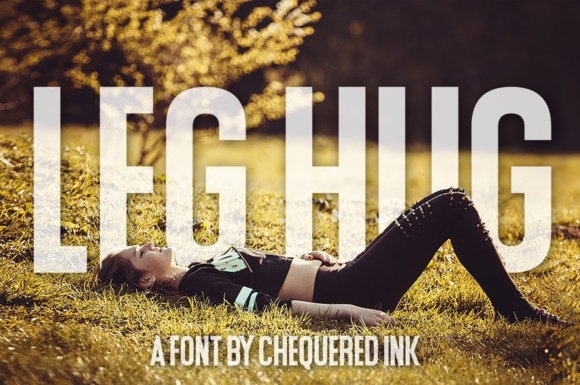
Leg Hug: A Bold and Versatile Sans-Serif for Visual Impact
Leg Hug is a tall, modern sans-serif typeface designed to command attention in titles, posters, and other visual media. Its clean lines and striking proportions make it a compelling choice for designers seeking a font that balances readability with strong visual presence. Whether used in print or digital formats, Leg Hug offers a fresh alternative to more conventional typefaces, especially when the goal is to create a memorable and impactful design.
Key Characteristics of Leg Hug
At first glance, Leg Hug stands out due to its vertical emphasis and open structure. The font’s tall x-height and extended ascenders give it a commanding appearance, making it ideal for headlines, logos, and display text. Unlike many sans-serifs that prioritize minimalism, Leg Hug incorporates subtle details that add character without compromising legibility.
The letterforms are consistent in weight and proportion, ensuring a cohesive look across different sizes and applications. This consistency is crucial for maintaining visual harmony in projects that require multiple text elements. Additionally, Leg Hug includes a range of glyphs, including uppercase and lowercase letters, numerals, and punctuation, which enhances its versatility for various design needs.
Strengths and Practical Value
One of Leg Hug’s greatest strengths is its ability to convey energy and clarity. Its tall structure makes it highly readable at large sizes, which is particularly useful for signage, banners, and promotional materials. This quality also makes it suitable for digital interfaces where bold, easy-to-read text is essential.
Designers who work on branding projects may find Leg Hug valuable for creating a distinctive visual identity. Its unique shape can help differentiate a brand from competitors while still maintaining a professional and polished appearance. The font’s adaptability across different mediums—print, web, and social media—adds to its practical appeal.
Real-World Performance and Usability
In practice, Leg Hug performs well in a variety of design contexts. When used as a title font, it draws the eye and sets the tone for the surrounding content. Its legibility at larger sizes ensures that it remains effective even when placed prominently in a layout.
However, its suitability for body text is more limited. Due to its tall structure and open spacing, Leg Hug may not be the best choice for long paragraphs of text. Designers should consider using it sparingly or pairing it with a more traditional serif or sans-serif font for supporting content.
Usability is another area where Leg Hug excels. Its straightforward design means it is relatively easy to work with in most design software. Most major design platforms, including Adobe Creative Suite and Figma, support the font without issues. This accessibility makes it a practical option for both seasoned professionals and those new to typography.
Quality and Reliability
Leg Hug demonstrates a high level of quality in its design and execution. The font maintains consistent stroke weights and proportions, which contributes to its overall reliability. This consistency is especially important for projects that require a uniform visual style across multiple elements.
The font’s reliability extends to its digital format as well. It is available in standard file types such as OTF and TTF, ensuring compatibility with a wide range of applications. For users who need additional language support, Leg Hug may include extended glyph sets, though this depends on the specific version purchased.
Who Benefits Most from Leg Hug?
Leg Hug is particularly well-suited for professionals in fields that rely heavily on visual communication. Marketers, for instance, can use it to create eye-catching headlines for campaigns, advertisements, and social media posts. Its bold and modern aesthetic aligns well with contemporary design trends, making it a strong choice for brands looking to stand out.
Entrepreneurs and small business owners may also find value in Leg Hug when developing their brand identities. Whether designing a logo, website, or promotional material, the font provides a versatile tool for creating a visually appealing and memorable presence. Its flexibility allows it to be adapted to different industries and audiences.
Freelancers and creatives working on client projects can benefit from Leg Hug’s ability to add visual interest without overwhelming the design. It works well in poster designs, editorial layouts, and presentation materials where a strong typographic statement is needed.
Limitations and Considerations
While Leg Hug has many advantages, it is not without limitations. As mentioned earlier, its suitability for body text is restricted due to its tall structure and spacing. Designers should carefully consider how they integrate it into their layouts to avoid readability issues.
Additionally, the font’s unique design may not fit all branding strategies. Some clients or projects may prefer more traditional or minimalist typefaces. In such cases, Leg Hug could be seen as too unconventional, depending on the intended audience and message.
Another consideration is the cost. Depending on the source, Leg Hug may be available through font marketplaces or as part of a broader typeface collection. Users should evaluate whether the font’s features justify the price, especially if they have access to similar alternatives.
Final Thoughts on Leg Hug
Leg Hug is a standout font for those looking to make a visual impact with their typography. Its tall, modern design offers a fresh and dynamic alternative to more standard sans-serif fonts, particularly in titles, posters, and branding materials. While it may not be ideal for all applications, its strengths in readability, consistency, and versatility make it a valuable addition to any designer’s toolkit.
For professionals in marketing, design, and creative fields, Leg Hug provides a powerful way to elevate their work and communicate their message with clarity and confidence. By understanding its strengths and limitations, users can effectively incorporate it into their projects and achieve the desired visual effect. Whether used as a headline font or part of a broader typographic strategy, Leg Hug delivers a strong and memorable presence that can enhance any design.