Antique: A Classy Monoline Font for Modern Designs
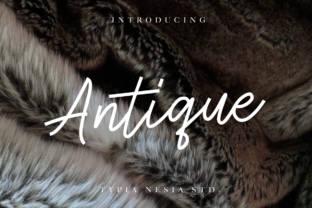
When it comes to selecting a font that balances elegance with modernity, Antique stands out as a compelling option. This monoline font features a variable baseline and natural flow, making it ideal for designs that require a handwritten touch without sacrificing sophistication. Whether you're working on branding, editorial layouts, or digital interfaces, understanding the strengths and limitations of Antique can help you make an informed decision about its suitability for your projects.
What Is Antique?
Antique is a serif-style font that mimics the appearance of handwritten script. Unlike traditional serif fonts, which often have consistent stroke widths, Antique uses a monoline structure, meaning all strokes are of equal thickness. This design choice gives the font a clean, modern aesthetic while retaining the organic feel of hand-drawn lettering. The variable baseline allows for subtle variations in height, creating a more natural and dynamic look compared to rigidly aligned typefaces.
The font's name suggests a vintage influence, but its design is clearly rooted in contemporary typography trends. It blends historical inspiration with modern functionality, making it a versatile choice for a wide range of applications.
Why Consider Antique?
There are several reasons why someone might choose Antique over other fonts. First, its handwritten quality adds a personal and authentic touch to any design. This makes it particularly effective for projects that aim to convey warmth, creativity, or a human element. For example, it could be used in wedding invitations, artisanal branding, or social media content where a unique visual identity is important.
Another advantage of Antique is its readability. Despite its flowing, script-like appearance, the font maintains a level of clarity that works well in both print and digital formats. Its monoline structure also ensures consistency across different sizes, which is beneficial for logos, headings, and other prominent typographic elements.
Benefits and Tradeoffs
One of the main benefits of using Antique is its ability to add character without overwhelming the design. Its natural flow can enhance the visual rhythm of a layout, especially when paired with other simple or geometric fonts. Additionally, the font’s versatility allows it to work in both casual and formal contexts, depending on how it's applied.
However, there are tradeoffs to consider. While Antique is readable at larger sizes, it may not be the best choice for body text due to its script-like nature. Readers may find it less comfortable to read for extended periods, particularly in dense blocks of text. In such cases, a more traditional serif or sans-serif font might be a better fit.
Another consideration is the availability of the font. Depending on the platform or design software being used, Antique may not be included by default. This could require additional steps to access or purchase, which may be a barrier for some users.
Situations Where Antique Fits Well
Antique is particularly well-suited for projects that benefit from a personalized or artistic touch. For instance, it can be an excellent choice for branding a small business that wants to project a creative or artisanal image. It also works well in editorial design, such as magazine covers, book titles, or promotional materials where visual interest is key.
In digital environments, Antique can be used effectively in user interface elements, such as buttons, icons, or headings, where a humanized feel is desired. It can also enhance the visual appeal of social media graphics, posters, or advertisements that aim to stand out from the crowd.
When Alternatives May Be Better
While Antique has many strengths, there are scenarios where other fonts might be more appropriate. For example, if the primary goal is maximum legibility, a simpler font like Helvetica, Arial, or Georgia would be a better choice. These fonts are designed for clarity and consistency, making them ideal for long-form text or technical documents.
Additionally, if the design requires a more structured or corporate look, a geometric sans-serif like Futura or Montserrat might be preferable. These fonts offer a modern, clean aesthetic that aligns with professional or minimalist design principles.
For projects that demand a more ornate or decorative style, other script fonts such as Brush Script or Lobster could be more suitable. These alternatives often have more pronounced flourishes and variations, which may better match specific design themes or historical references.
Practical Decision-Making Insights
When deciding whether to use Antique, consider the context and purpose of the design. Ask yourself: What message do I want to convey? What tone should the typography reflect? And who is the intended audience?
If the goal is to create a warm, inviting, or creative atmosphere, Antique can be a strong contender. However, if the focus is on clarity, professionalism, or minimalism, it may be necessary to explore other options.
It’s also helpful to test the font in different sizes and settings. View it in both print and digital formats, and pair it with other typefaces to see how it interacts visually. This will give a clearer sense of its effectiveness in real-world applications.
Finally, consider the availability and licensing of the font. Ensure that it can be easily accessed and used within the tools and platforms you’re working with. If necessary, research alternative fonts that offer similar characteristics but may be more readily available.
Conclusion
Antique is a versatile and stylish monoline font that offers a unique blend of tradition and modernity. Its natural flow and variable baseline make it ideal for designs that require a handwritten feel without compromising on elegance. However, its suitability depends on the specific needs of the project, including readability, context, and design goals.
By carefully evaluating the strengths and limitations of Antique, designers can determine whether it aligns with their vision and objectives. Whether it becomes a staple in their typographic toolkit or serves as an occasional choice, understanding its role in the broader landscape of font design can lead to more thoughtful and effective design decisions.