Shawdgeti: A Handwritten Script with Professional Potential
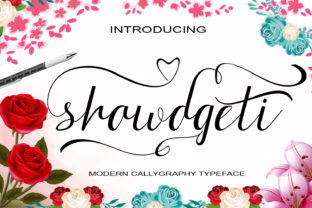
Shawdgeti is a distinctive script font that captures the essence of handwritten typography. Designed with precision and an eye for detail, it offers a natural, organic feel that can elevate a wide range of design projects. Whether used in branding, editorial work, or digital content, Shawdgeti brings a touch of authenticity and visual interest that sets it apart from more rigid typefaces.
At its core, Shawdgeti is a font that mimics the fluidity and imperfections of real handwriting. This makes it ideal for projects where a personal or artisanal touch is desired. Its versatility allows it to function well in both print and digital formats, making it a valuable addition to any designer’s toolkit.
Key Characteristics of Shawdgeti
One of the most notable features of Shawdgeti is its balance between spontaneity and structure. While it appears handcrafted, the font maintains a level of consistency that ensures readability and professionalism. The letterforms are slightly irregular, giving them a human quality that can add warmth to a design without sacrificing clarity.
The font includes a comprehensive set of characters, including uppercase and lowercase letters, numbers, punctuation, and special symbols. This breadth of coverage makes it suitable for a variety of applications, from short headlines to longer blocks of text. Its open counters and generous spacing contribute to legibility, even at smaller sizes.
Shawdgeti also supports multiple language scripts, which expands its utility for international projects. This feature is particularly useful for designers working with multilingual content or targeting global audiences.
Practical Applications and Use Cases
Shawdgeti is well-suited for a range of design scenarios. In branding, it can be used for logos, taglines, or other elements that require a unique, personal identity. Its organic style can help a brand stand out while maintaining a professional appearance.
In editorial design, Shawdgeti can be used for headings, captions, or pull quotes. Its visual appeal adds a dynamic element to layouts without overwhelming the reader. It works especially well in magazines, newsletters, or social media graphics where a human touch is beneficial.
For digital content, Shawdgeti can enhance the aesthetic of websites, presentations, or marketing materials. Its adaptability makes it a strong choice for web fonts, as it retains clarity across different screen sizes and resolutions.
Strengths and Limitations
One of Shawdgeti’s greatest strengths is its ability to convey personality without being distracting. Unlike some script fonts that may feel overly ornate or difficult to read, Shawdgeti strikes a balance between style and functionality. This makes it accessible for a wide range of users, from beginners to experienced designers.
Its flexibility is another key advantage. Shawdgeti can be used in both formal and informal contexts, depending on how it’s applied. For example, it can be paired with sans-serif fonts for a modern contrast or combined with other script fonts for a layered effect.
However, there are some limitations to consider. Shawdgeti may not be the best choice for body text in long-form documents, as its stylized nature could reduce readability. Additionally, its unique character set may require careful kerning and spacing adjustments to ensure optimal visual harmony.
Who Can Benefit from Shawdgeti?
Shawdgeti is particularly beneficial for professionals who value visual storytelling and want to add a personal touch to their work. Entrepreneurs and small business owners looking to create a distinct brand identity may find it useful for logos, packaging, or promotional materials.
Freelancers, bloggers, and content creators can use Shawdgeti to enhance the visual appeal of their projects. Whether designing a website, crafting social media posts, or producing printed materials, the font offers a way to differentiate their work from competitors.
Educators and students may also find Shawdgeti useful for creative assignments or presentations. Its expressive style can help illustrate concepts or make information more engaging, especially in visual learning environments.
Recommendations for Effective Use
To get the most out of Shawdgeti, it’s important to consider the context in which it will be used. For instance, pairing it with a clean, modern font can create a balanced and professional look. Avoid using it in large blocks of text, as this may affect readability.
When working with Shawdgeti, pay attention to spacing and alignment. Adjusting tracking and leading can help maintain visual consistency, especially when integrating the font into larger design systems. Testing the font at different sizes and on various backgrounds can also reveal how it performs in real-world conditions.
Finally, explore different weights and styles if available. Some script fonts come in variations such as regular, bold, or italic, which can expand their usability. Experimenting with these options can help uncover new ways to apply Shawdgeti in your workflow.
Long-Term Value and Reliability
Shawdgeti is designed with durability in mind. Its consistent structure and high-quality rendering ensure that it remains functional across different platforms and devices. This reliability is essential for designers who need a font that performs consistently over time.
As a professionally crafted typeface, Shawdgeti is likely to remain relevant in the evolving design landscape. Its focus on natural aesthetics aligns with current trends that emphasize authenticity and craftsmanship. This makes it a worthwhile investment for those looking for a font that can adapt to future needs.
Ultimately, Shawdgeti is more than just a decorative font—it’s a tool that can enhance the visual communication of a project. Its blend of artistry and practicality makes it a compelling choice for designers seeking to add a human element to their work. Whether used subtly or boldly, Shawdgeti has the potential to make a meaningful impact on any design endeavor.